 Aethelgard Press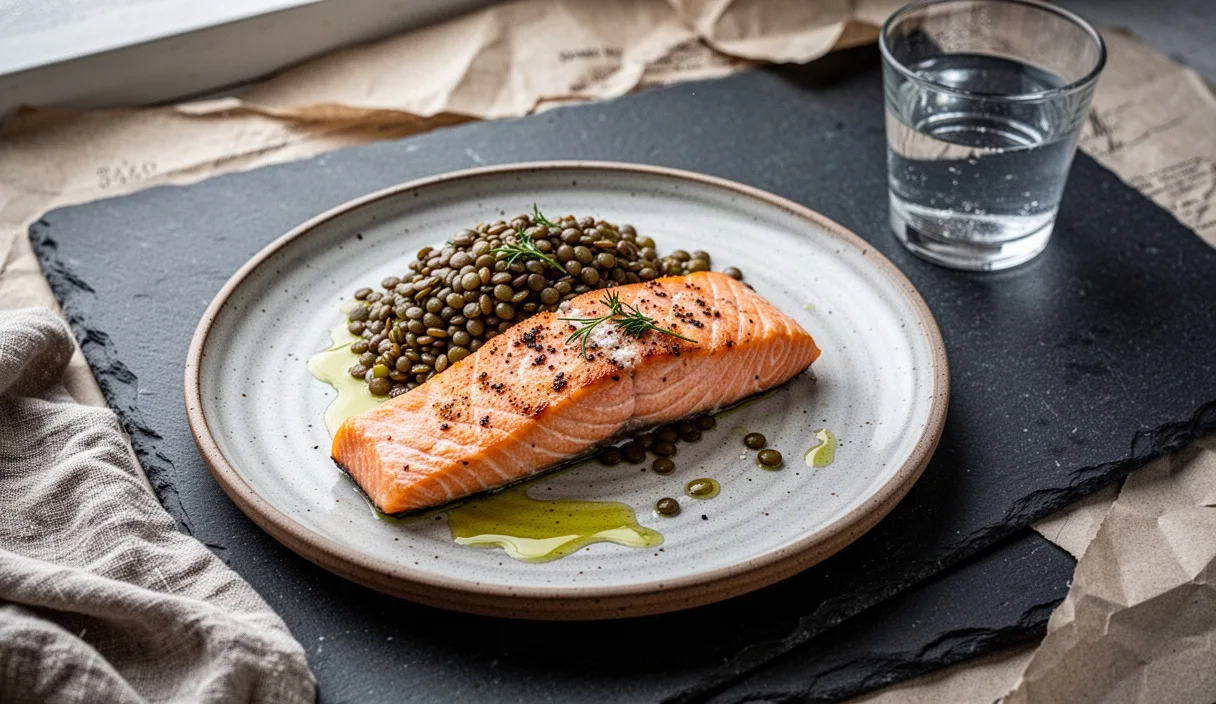
The standard dietary guideline of 0.8 grams of protein per kilogram of body weight was established to prevent overt deficiency in young, sedentary adults. For an adult past the age of sixty, this baseline fails to maintain skeletal muscle mass, bone density, and functional mobility. Aging tissues require a stronger stimulus to initiate muscle protein synthesis, yet conventional eating habits often deliver protein in an uneven pattern that leaves the body in a catabolic state for most of the day.
Skeletal muscle serves as an active metabolic organ, not merely a mechanical system for movement. It stores glucose, regulates amino acid availability during illness, and protects joints from degenerative wear. Preserving this tissue requires intentional changes in daily intake, specific focus on amino acid profiles, and meal distribution tailored to the physiological realities of aging. Adults managing chronic kidney disease or liver conditions must consult a physician or renal dietitian before adjusting these numbers, but for the broader population over sixty, higher protein intake is a practical requirement for long-term independence.
The Physiology of sports nutrition Resistance in Older Adults
Aging muscles develop sports nutrition resistance, a state in which muscle tissue becomes less sensitive to both hyperaminoacidemia (elevated blood levels of amino acids) and physical contraction. While a twenty-year-old can initiate muscle protein synthesis with as little as 15 to 20 grams of high-quality protein, an adult past sixty often requires 30 to 45 grams in a single feeding to trigger the same molecular cascade. Without reaching that threshold, circulating amino acids are oxidized for energy or cleared by the liver rather than incorporated into myofibrillar tissue.
This blunted response stems from several converging mechanisms. Microvascular recruitment declines with age, reducing the delivery of amino acids to muscle beds after eating. At the cellular level, the mechanistic target of rapamycin complex 1 (mTORC1) pathway shows dampened phosphorylation in response to standard concentrations of essential amino acids. Chronic low-grade systemic inflammation, often termed inflammaging, also interferes with signaling pathways that govern ribosomal biogenesis and protein translation.
Physical inactivity compounds these biological shifts. When a muscle remains unloaded, its sensitivity to dietary protein drops further. Conversely, resistance training restores much of that lost sensitivity. Performing resistance exercise prior to protein ingestion lowers the required threshold, allowing the muscle to respond more like younger tissue. Even without structured training, overcoming sports nutrition resistance requires consuming larger, concentrated boluses of protein rather than grazing on small amounts throughout the day.
Calculating Your Gram-Per-Kilogram Baseline
Clinical trials over the past two decades indicate that healthy older adults need between 1.2 and 1.6 grams of protein per kilogram of body weight per day to prevent sarcopenia and preserve functional capacity. During periods of acute illness, caloric restriction, or rehabilitation after an injury, this demand can rise to 1.8 or 2.0 grams per kilogram. Expressed in pounds, this translates roughly to 0.55 to 0.73 grams of protein per pound of body weight for maintenance.
Calculations should use adjusted body weight or target lean weight rather than total scale weight for individuals carrying significant excess adipose tissue. Adipose tissue is metabolically inert relative to muscle and does not require the same amino acid support. For example, an individual who weighs 105 kilograms but carries a healthy target mass of 80 kilograms should calculate protein targets against the 80-kilogram benchmark.
| Body Weight (kg / lbs) | Baseline Target (1.2 g/kg) | Optimal Functional Target (1.5 g/kg) | High Demand / Recovery Target (1.8 g/kg) |
|---|---|---|---|
| 60 kg / 132 lbs | 72 grams | 90 grams | 108 grams |
| 70 kg / 154 lbs | 84 grams | 105 grams | 126 grams |
| 80 kg / 176 lbs | 96 grams | 120 grams | 144 grams |
| 90 kg / 198 lbs | 108 grams | 135 grams | 162 grams |
To establish your target, weigh yourself in the morning under consistent conditions, convert your weight to kilograms by dividing pounds by 2.2, and multiply by 1.2 for a conservative maintenance intake, or 1.5 if you engage in regular resistance training or aerobic exercise. Divide this total into discrete meal servings rather than attempting to reach it through continuous snacking.
The Role of Leucine in Initiating Muscle Synthesis
Proteins consist of twenty amino acids, but nine are essential, meaning the body cannot manufacture them internally. Among the essential branch-chain amino acids, leucine acts as the primary molecular trigger for the mTORC1 pathway. Leucine acts as a chemical signal: unless intracellular leucine concentrations reach a specific saturation point, the muscle cell will not initiate protein synthesis, regardless of how many other amino acids are present in the bloodstream.
For younger adults, this leucine trigger sits around 1.8 to 2.2 grams per meal. For adults over sixty, sports nutrition resistance raises this requirement to approximately 2.8 to 3.2 grams of leucine per sitting. Reaching this threshold requires deliberate selection of protein sources, because the leucine proportion varies widely across animal and plant foods.
- Whey protein isolate: Delivers approximately 11 to 13 grams of leucine per 100 grams of powder, making a 30-gram scoop provide roughly 3.3 to 3.9 grams of leucine.
- Chicken breast: Contains about 7.5 grams of leucine per 100 grams of protein, meaning a 120-gram cooked portion yields roughly 2.7 grams of leucine.
- Beef sirloin: Provides roughly 8 grams of leucine per 100 grams of protein, requiring a 130-gram cooked portion to clear the 3.0-gram threshold.
- Firm tofu: Contains about 5.8 grams of leucine per 100 grams of protein, requiring roughly 350 grams of cooked tofu to supply 3.0 grams of leucine.
- Lentils: Contain roughly 5.3 grams of leucine per 100 grams of protein, meaning an individual would need to consume more than three cooked cups to reach 3.0 grams of leucine.
Plant-based eaters can successfully reach this threshold, but doing so requires either significantly larger food volumes, thoughtful combinations of diverse plant proteins, or the addition of an isolated plant protein supplement derived from soy, pea, or rice, or isolated leucine powder mixed into meals.
Structuring Three High-Protein Meals Each Day
The standard Western diet skews protein consumption toward the evening. A typical pattern involves coffee and toast for breakfast (5 to 10 grams of protein), a light sandwich or salad for lunch (15 to 20 grams), and a large dinner containing 60 or 70 grams. This pattern fails older adults. The breakfast and lunch portions never hit the threshold required to trigger muscle protein synthesis, leaving the individual in a state of net muscle breakdown for roughly eighteen hours each day. The excessive dinner protein cannot be stored as muscle; the excess is simply oxidized.
A more effective approach distributes 35 to 45 grams of protein across three meals spaced four to five hours apart. This provides three distinct stimulation events throughout the day.
Breakfast (Target: 35-40 Grams)
Overcoming the catabolic fast of sleep requires an immediate, high-leucine feeding. Relying on eggs alone often leads to an undershot target, as a single large egg provides roughly 6 grams of protein and 0.5 grams of leucine. A robust breakfast combines whole eggs with egg whites or an additional concentrated source:
- Two whole eggs scrambled with 120 milliliters of liquid egg whites, accompanied by 60 grams of smoked salmon and one slice of sprouted grain bread (approximately 38 grams of protein).
- 225 grams of plain non-fat Greek yogurt mixed with 15 grams of whey protein isolate, topped with berries and 20 grams of crushed walnuts (approximately 41 grams of protein).
- Tofu scramble made with 250 grams of firm tofu, nutritional yeast, black beans, and pumpkin seeds (approximately 36 grams of protein).
Lunch (Target: 35-40 Grams)
Midday meals often suffer from convenience shortcuts. Preparing protein components in bulk allows for rapid assembly:
- 140 grams of grilled chicken breast sliced over mixed greens, with 100 grams of cooked quinoa, olive oil dressing, and pumpkin seeds (approximately 42 grams of protein).
- 150 grams of canned tuna mixed with olive oil mayonnaise and celery, served with whole-grain crispbreads and an ounce of hard cheddar cheese (approximately 40 grams of protein).
- 180 grams of cooked tempeh paired with edamame and brown rice, dressed with a sesame ginger sauce (approximately 38 grams of protein).
Dinner (Target: 40-45 Grams)
The evening meal remains the easiest place to hit protein thresholds using whole animal cuts or structured plant combinations:
- 160 grams of baked Atlantic salmon fillet with roasted asparagus and a medium sweet potato (approximately 41 grams of protein).
- 150 grams of lean ground beef or turkey cooked into a tomato reduction over chickpea pasta (approximately 44 grams of protein).
- A large lentil and pea protein stew enriched with hemp hearts and nutritional yeast (approximately 37 grams of protein).
Digestive Adaptations for Higher Protein Intake
Increasing daily protein intake from 50 grams to 110 grams can cause gastrointestinal discomfort if done abruptly. As adults age, parietal cells in the stomach produce less hydrochloric acid (hypochlorhydria), and the pancreas produces fewer digestive enzymes. These changes slow gastric emptying and impair the breakdown of dense protein matrices into free amino acids.
To mitigate digestive distress, increase protein consumption incrementally. Add 10 to 15 grams per day for a week before making further adjustments. This gives the stomach and small intestine time to upregulate gastric juices, pepsin, and pancreatic proteases.
Chewing food thoroughly is a mandatory physical step. Pepsin can only cleave peptide bonds on exposed surface areas. Large unchewed fragments of meat or dense plant matter pass into the stomach with limited surface area, slowing digestion and causing feelings of prolonged fullness or upper abdominal pressure.
Hydration plays an essential role in protein metabolism. The kidneys use water to filter the blood urea nitrogen generated during amino acid deamination. Increasing protein intake without increasing fluid intake can stress renal filtration and cause mild dehydration, leading to sluggish bowel motility and constipation. Drink an additional 300 to 500 milliliters of water for every 25 grams of supplemental protein added to your baseline diet.
Individuals with persistent fullness or hypochlorhydria may discuss digestive supports with a doctor. Betaine hydrochloride supplements can restore gastric acidity during heavy meat meals, while broad-spectrum pancreatic enzymes containing protease can assist in breaking down protein chains in the duodenum.
Common Mistakes
The most frequent error is relying on total daily protein numbers rather than per-meal distribution. Consuming 90 grams of protein in one twenty-four-hour window produces drastically different muscular adaptations if it is split into three 30-gram meals compared to two 10-gram meals and one 70-gram meal.
A second mistake is assuming all protein powders and bars are equivalent. Many commercial protein bars contain collagen, gelatin, or poor-quality soy isolates that are low in leucine and tryptophan. Collagen supports connective tissue and joint structures, but it lacks the complete amino acid profile required to drive skeletal muscle synthesis. It must not be counted toward your primary muscle-building protein targets.
A third error is neglecting non-protein calories. If you drastically drop your carbohydrate and healthy fat intake while increasing protein, your liver will convert a portion of those ingested amino acids into glucose via gluconeogenesis to meet daily energy demands. Adequate energy intake from whole carbohydrates and fats protects dietary protein, ensuring it is spared for tissue repair and maintenance.
Practical Next Steps
- Audit your current intake: Track every item consumed for three consecutive days using a kitchen scale and a simple tracking app or paper log. Calculate your current average daily protein intake and your per-meal numbers.
- Consult your baseline blood work: Review your estimated glomerular filtration rate (eGFR) and liver enzyme panels with your physician. If your eGFR is below 60 mL/min/1.73m², you need medical supervision before altering your protein intake.
- Adjust your morning meal first: Focus entirely on raising your breakfast protein to at least 35 grams for seven straight days. Do not worry about lunch or dinner until the breakfast habit is established.
- Source your staples: Stock the kitchen with high-leucine options including eggs, liquid egg whites, Greek yogurt, canned wild fish, poultry, firm tofu, and an unflavored whey or pea protein isolate.
- Pair with resistance work: Schedule two to three brief sessions of resistance training each week. Lifting weights, using resistance bands, or performing bodyweight movements sensitizes muscle tissue to the protein you consume, maximizing the return on your nutritional changes.